Background of Website Header: The Foundation of Digital Identity
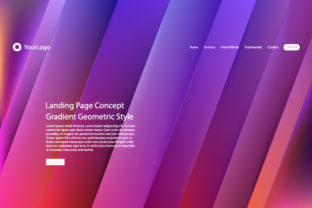
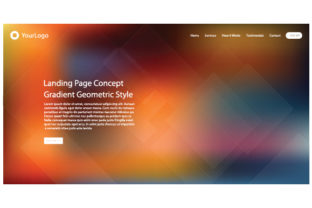
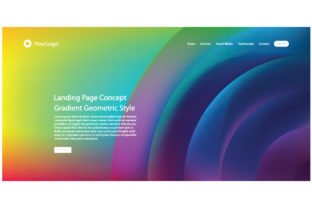
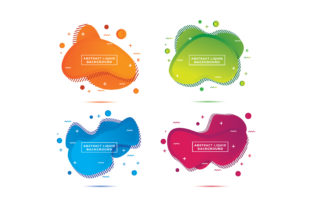
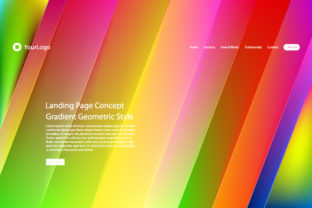
The background of a website header plays a crucial role in shaping the first impression visitors have of a brand. As digital experiences become more sophisticated, the header has evolved from a simple navigation bar to a dynamic element that communicates identity, purpose, and personality. A well-designed header can enhance user engagement, reinforce brand messaging, and improve overall usability. In this context, the use of vector templates with gradient mesh backgrounds offers a powerful solution for designers seeking both aesthetic appeal and functional flexibility.
Understanding the Role of Website Headers
A website header is typically the topmost section of a webpage, containing essential elements such as the logo, navigation menu, and sometimes a call-to-action button. Its primary function is to guide users through the site while establishing a visual connection with the brand. However, the design of this area has grown beyond basic functionality. Modern headers often incorporate custom graphics, animations, and layered backgrounds to create a more immersive experience.
With the increasing demand for visually striking websites, the background of a website header has become a focal point for creative expression. Designers now experiment with gradients, textures, and geometric shapes to craft headers that stand out without overwhelming the user. This trend reflects a broader shift toward personalized digital experiences, where every visual element contributes to a cohesive brand story.
Gradient Mesh Backgrounds: A Modern Design Trend
One of the most popular techniques in contemporary web design is the use of gradient mesh backgrounds. These backgrounds combine smooth color transitions with intricate patterns to produce a sense of depth and movement. Unlike traditional flat or solid-color headers, gradient mesh designs add visual interest while maintaining a clean and professional look.
The application of gradient mesh backgrounds in website headers aligns with current trends in digital aesthetics. Many modern websites prioritize subtle motion and layered visuals to engage users without sacrificing usability. This approach not only enhances the visual appeal but also supports a more interactive browsing experience, which is increasingly valued by today’s online audiences.
Vector Templates: Flexibility and Precision in Design
For designers working with complex visual elements like gradient mesh backgrounds, vector templates provide an invaluable resource. Vector graphics are scalable, editable, and resolution-independent, making them ideal for creating high-quality headers that adapt seamlessly across different screen sizes and devices. With 100 vector templates available, designers have access to a wide range of pre-designed options that can be customized to fit specific brand requirements.
These templates often include features such as editable colors and shapes, allowing designers to modify the look and feel of a header without starting from scratch. This level of flexibility is especially beneficial for professionals who need to maintain consistency across multiple projects while still meeting unique client needs.
Advantages of Using EPS Files for Web Headers
EPS (Encapsulated PostScript) files are a standard format in graphic design, offering a reliable way to store and share vector-based artwork. When it comes to web headers, EPS files ensure that the original design remains intact, preserving all details and layers for future edits. This makes them particularly useful for designers who work with Adobe Illustrator, as they can easily open and modify the files within the software.
Additionally, EPS files support transparency and complex color profiles, which are essential for achieving precise visual results. For businesses and creatives looking to maintain a consistent brand image, using EPS files ensures that the header design remains accurate and professional across different platforms and applications.
Practical Implications for Businesses and Creators
For businesses, the choice of a website header can significantly impact user perception and brand recognition. A well-crafted header with a gradient mesh background can differentiate a brand from competitors, creating a memorable and engaging online presence. This is especially important for startups and small businesses that rely on strong visual identities to build trust and credibility.
Creators and designers also benefit from using vector templates with gradient mesh backgrounds. These resources save time and effort, allowing professionals to focus on other aspects of their work while still delivering high-quality results. By leveraging pre-designed elements, designers can streamline their workflow without compromising on creativity or originality.
How Gradient Mesh Backgrounds Enhance User Experience
User experience (UX) is a critical factor in the success of any website. A header with a gradient mesh background can contribute to a more intuitive and enjoyable browsing experience. The use of soft gradients and subtle textures helps guide the user’s eye through the page, making it easier to locate key information and navigate the site.
Moreover, these backgrounds can be used strategically to highlight important sections of a webpage. For example, a header with a gradient that transitions into the main content area can create a seamless visual flow, reducing cognitive load and improving overall usability. This thoughtful design approach aligns with modern UX principles that prioritize clarity, accessibility, and user-centricity.
Future-Proofing Your Website Design
As technology continues to evolve, so do the expectations of website visitors. The use of gradient mesh backgrounds and vector templates positions a website to remain relevant and visually appealing for years to come. These design choices are not just about aesthetics—they reflect a forward-thinking approach to digital branding and user interaction.
By investing in high-quality design assets, businesses and creators can future-proof their websites against changing trends and emerging technologies. This proactive strategy ensures that the website remains competitive and adaptable, even as new design standards and user preferences emerge.
Recommendations for Effective Header Design
To make the most of the background of a website header, consider the following recommendations:
- Balance aesthetics with functionality: Ensure that the header design complements the rest of the website while maintaining ease of navigation.
- Use consistent branding: Align the header’s colors, fonts, and visual elements with the overall brand identity to reinforce recognition and trust.
- Optimize for performance: Choose lightweight design elements that load quickly without compromising quality or visual appeal.
- Test across devices: Verify that the header looks and functions well on desktop, tablet, and mobile screens to accommodate all users.
- Stay updated with trends: Keep an eye on evolving design practices and adjust your header accordingly to remain fresh and relevant.
Conclusion: The Power of a Thoughtful Header Design
The background of a website header is more than just a decorative element—it is a vital component of digital storytelling and user engagement. With the right combination of gradient mesh backgrounds, vector templates, and editable design features, businesses and creators can craft headers that are both visually compelling and functionally effective.
By embracing modern design tools and techniques, professionals can elevate their websites to meet the demands of today’s digital landscape. Whether you're a marketer, designer, or business owner, investing in a well-designed header can have a lasting impact on your online presence and audience connection.