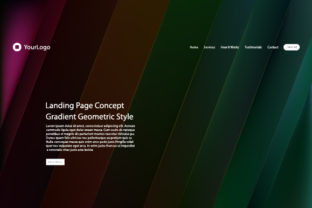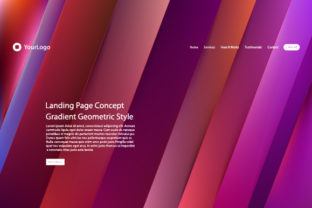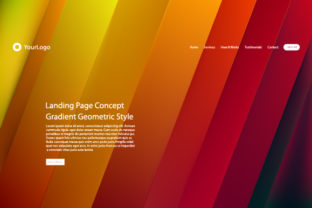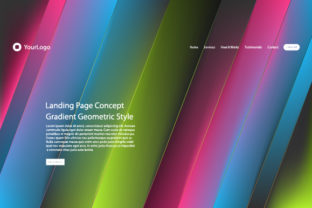
Website Template Design and Landing Page with Gradient Mesh Background
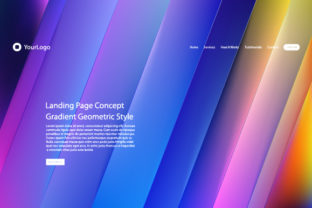
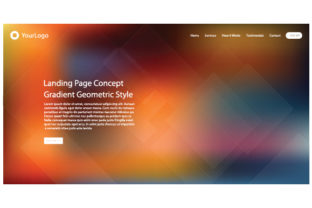
Website template design has evolved significantly, with modern elements like gradient mesh backgrounds becoming a staple in digital aesthetics. These designs combine visual appeal with functionality, offering a unique way to present content while maintaining a professional look. A gradient mesh background can be used across various platforms, including landing pages, web headers, and other design elements, making it a versatile choice for creators and developers alike.
The integration of a gradient mesh into website templates allows for a dynamic visual experience. Unlike traditional flat or solid color backgrounds, gradient meshes introduce depth and dimension, enhancing the user's engagement. This feature is particularly useful in landing pages where first impressions matter. By using a gradient mesh, designers can create a more immersive environment that draws attention to key elements such as call-to-action buttons, headlines, and navigation menus.
Understanding Gradient Mesh Backgrounds
A gradient mesh is a type of graphic design element that uses a series of interconnected points to create smooth transitions between colors. This technique allows for complex and realistic shading effects, which can be applied to both vector and raster images. When used in website templates, gradient meshes provide a visually rich backdrop that complements the overall design without overwhelming the content.
One of the main advantages of using a gradient mesh background is its adaptability. It can be easily modified to fit different themes, color schemes, and branding requirements. For instance, a designer might use a gradient mesh to match a company’s corporate colors or to create a more vibrant and energetic feel for a creative agency’s landing page. The ability to edit colors and shapes makes this feature highly customizable, ensuring that the final design aligns with the intended message and audience.
Vector Elements in Website Templates
Vector graphics play a crucial role in modern web design, especially when combined with gradient mesh backgrounds. Vectors are scalable and resolution-independent, meaning they maintain their quality at any size. This makes them ideal for use in website templates, where consistency and clarity are essential. With 100 vector elements available, designers have a wide range of options to choose from, allowing for greater creativity and flexibility in the design process.
These vectors can be used to add decorative elements, icons, or illustrations to a website template. They can also serve as the foundation for more complex design components, such as logos, buttons, and interactive features. The availability of editable colors and shapes ensures that these vectors can be tailored to fit the specific needs of a project, whether it’s a simple landing page or a fully-featured website.
Using Encapsulated Postscript (EPS) Files
Encapsulated Postscript (EPS) files are widely used in graphic design due to their compatibility with various software applications. These files support both vector and bitmap data, making them a reliable choice for designers who need to work with high-quality graphics. When working with website templates that include gradient mesh backgrounds and vector elements, EPS files offer a level of precision and control that is difficult to achieve with other formats.
Designers can open and edit EPS files in programs like Adobe Illustrator, allowing for seamless integration with other design tools. This makes it easier to adjust colors, shapes, and layouts without losing quality or detail. Additionally, since all previews are provided in EPS format, users can ensure that the final design will look exactly as intended across different platforms and devices.
Applications of Gradient Mesh in Web Design
The use of gradient mesh in web design extends beyond aesthetic appeal. It can also enhance user experience by guiding attention and improving visual hierarchy. For example, a gradient mesh can be used to highlight important sections of a landing page, such as a product showcase or a promotional offer. This subtle but effective technique helps users navigate the site more intuitively, leading to higher engagement and conversion rates.
In addition to landing pages, gradient mesh backgrounds can be used in web headers, banners, and other design elements. These areas often serve as the first point of contact for visitors, making it essential to create a strong visual impression. By incorporating a gradient mesh, designers can create a more polished and professional look that resonates with the target audience.
Considerations for Using Gradient Mesh Backgrounds
While gradient mesh backgrounds offer numerous benefits, there are some considerations to keep in mind when implementing them in a website template. One of the primary concerns is performance. Large or complex gradient meshes can increase file size, which may affect loading times. To mitigate this, designers should optimize the gradient mesh to ensure it remains lightweight without sacrificing visual quality.
Another consideration is accessibility. Gradient mesh backgrounds should not interfere with the readability of text or other content on the page. Designers should test their templates across different screen sizes and resolutions to ensure that the design remains functional and user-friendly. This includes checking that contrast ratios meet accessibility standards and that the layout remains consistent across devices.
Conclusion
Website template design and landing page development continue to benefit from innovative features like gradient mesh backgrounds. These elements add depth, visual interest, and customization options that can elevate the overall design of a website. By combining gradient mesh with vector graphics and EPS files, designers can create a cohesive and professional look that meets the needs of diverse audiences.
Whether you’re a developer, designer, or business owner, understanding the potential of gradient mesh in web design can help you make informed decisions about your next project. With the right tools and techniques, you can create a visually stunning and functionally effective website that stands out in today’s competitive digital landscape.