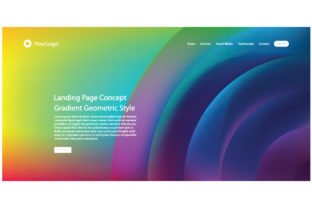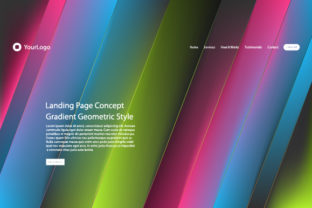
Background of Web Page Design
The evolution of web page design has been instrumental in shaping how we interact with digital content. From the early days of static HTML pages to the dynamic, responsive layouts of today, the background of web page design has continuously adapted to meet user needs and technological advancements. Understanding this history is crucial for designers aiming to create visually compelling and functionally effective websites.
Modern web design emphasizes not just aesthetics but also usability, accessibility, and performance. The use of gradients, mesh backgrounds, and vector-based templates has become a staple in achieving a polished look that aligns with current design trends. These elements offer flexibility, allowing for easy customization while maintaining visual coherence across different platforms and devices.
Vector Templates with Gradient Mesh Backgrounds
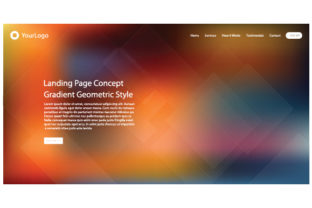
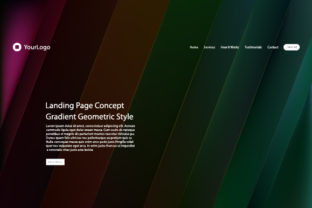
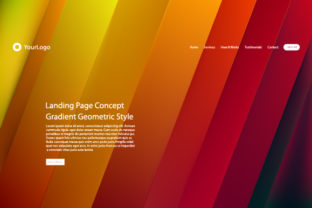
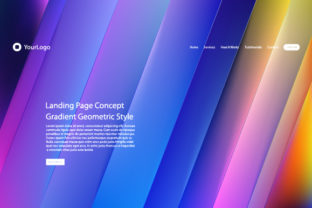
Vector templates featuring gradient mesh backgrounds provide a powerful tool for graphic designers. These templates are often available in Encapsulated PostScript (EPS) format, ensuring compatibility with Adobe Illustrator and other professional design software. With 100 vector elements, each template offers a high degree of editability, enabling users to modify colors, shapes, and compositions to suit their specific needs.
One of the key advantages of these templates is their ability to maintain consistent color and shape across all previews. This ensures that what you see in the design file matches the final output, reducing the risk of miscommunication or errors during the production process. Whether you're working on branding materials, marketing assets, or editorial layouts, these templates can streamline your workflow and enhance your creative output.
Applications in Creative Projects
Graphic design professionals can leverage these templates across a wide range of applications. For branding and logo design, the use of gradient mesh backgrounds can add depth and dimension, making logos more visually engaging. In marketing materials, such as social media graphics or print advertisements, these elements help reinforce brand identity and create a cohesive visual language.
- Website and UI design
- Editorial layouts
- Packaging design
- Advertising campaigns
- Presentations
- Merchandise
- Digital products
When selecting design elements, it's important to consider factors like consistency, readability, and scalability. A well-chosen background can enhance the overall visual hierarchy, guiding the viewer's attention and improving user experience. By integrating typography, color, and composition thoughtfully, designers can achieve a balanced and professional result that resonates with their target audience.
For those involved in digital marketing or social media, these templates offer a quick and efficient way to create eye-catching content that aligns with brand guidelines. Whether you're designing for a website, app interface, or promotional material, the right background can make a significant difference in how your message is perceived and remembered.
Ultimately, the background of web page design continues to evolve, driven by new technologies and changing user expectations. By staying informed about the latest trends and tools, designers can ensure their work remains relevant, impactful, and aligned with modern standards. Investing in high-quality design assets, such as vector templates with gradient mesh backgrounds, is a smart move for anyone looking to elevate their creative projects and deliver exceptional results.