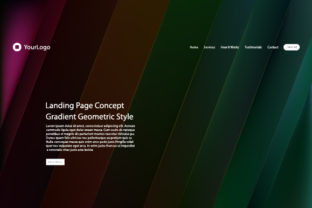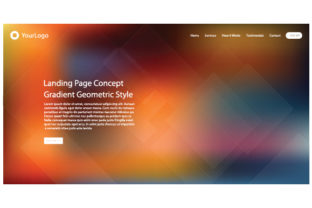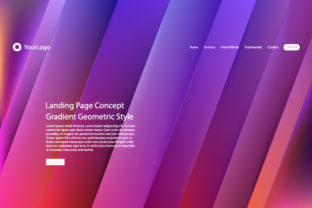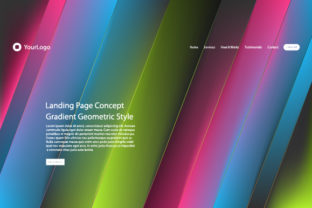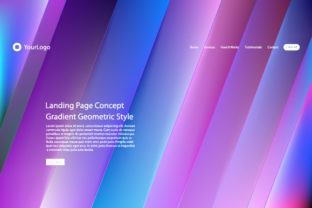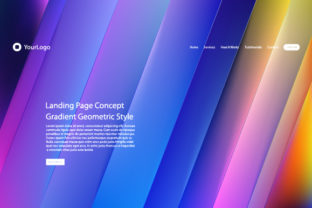
Header Web Design for Landing Page: Key Elements for Effective Online Presence
Header Web Design for Landing Page plays a crucial role in capturing attention and guiding user interaction. A well-crafted header can make the difference between a visitor staying on your site or leaving immediately. Whether you're an entrepreneur, marketer, or designer, understanding the importance of a strong header design is essential for creating a compelling online experience.
What Is Header Web Design for Landing Page?
A header on a landing page is more than just a visual element; it's the first point of contact between your audience and your brand. It typically includes your logo, navigation menu, call-to-action buttons, and other key information. The goal is to create a clear, visually appealing structure that communicates your message quickly and effectively.
When it comes to Header Web Design for Landing Page, designers often use tools like Adobe Illustrator to create vector-based headers. These files are usually available in Encapsulated Postscript (EPS) format, allowing for easy editing and scalability without loss of quality. This makes them ideal for professionals who need to customize designs for different platforms and screen sizes.
Common Mistakes in Choosing Header Web Design for Landing Page
Many people overlook critical details when selecting a header design, which can lead to poor user experiences and lower conversion rates. One common mistake is choosing a design that doesn't align with the overall branding or message of the landing page. A mismatched header can confuse visitors and weaken your brand identity.
Another issue is ignoring the technical aspects of the file format. For example, some users may download an EPS file but not realize that it requires specific software like Adobe Illustrator to edit. Without the right tools, customization becomes difficult, limiting the design's flexibility.
The Impact of Poor Header Design Choices
Choosing the wrong header design can have several negative effects. If the header is too cluttered, it may overwhelm users and reduce readability. On the other hand, a minimalist design might fail to communicate important information, leading to confusion or missed opportunities.
Additionally, failing to consider responsiveness can result in a header that doesn’t adapt well to different devices. A mobile-friendly header is essential, as many users access websites through smartphones or tablets. A non-responsive header can lead to a frustrating user experience and higher bounce rates.
How to Avoid Common Header Design Pitfalls
To avoid these issues, start by clearly defining your goals for the landing page. What message do you want to convey? Who is your target audience? Answering these questions will help you choose a header design that supports your objectives.
Before downloading or purchasing a header template, check if it offers editable colors and shapes. This flexibility allows you to tailor the design to match your brand’s aesthetic. Also, ensure that the preview files—often provided in AI or EPS format—are accurate and reflect the final output.
Take the time to test the design across different devices and browsers. A responsive header should look good on desktops, tablets, and smartphones. If possible, ask others to review the design for clarity and usability. Feedback from real users can highlight issues you may have missed.
Practical Tips for Working with Vector Headers
Vector graphics, such as those found in EPS files, offer high-quality scalability and are ideal for professional use. However, they require specific software to edit. If you’re not familiar with Adobe Illustrator, consider using a compatible tool or seeking assistance from a designer.
When working with a gradient mesh background, pay attention to color transitions and how they affect the overall design. A poorly executed gradient can distract from the main content rather than enhance it. Always test the design in different lighting conditions to ensure visibility and readability.
What to Check Before Using Header Web Design for Landing Page
Before implementing a header design, verify that all elements are properly aligned and that the layout supports the intended user flow. Ensure that the call-to-action buttons are prominent and easy to find. A hidden or unclear CTA can significantly reduce conversions.
Also, confirm that the design is compatible with your website’s platform. Some header templates may require custom coding or additional plugins to function correctly. If you’re unsure, consult with a developer or designer to ensure a smooth integration.
Final Thoughts on Header Web Design for Landing Page
A well-designed header is a powerful tool for engaging visitors and driving action. By avoiding common mistakes and focusing on practical, user-centered design choices, you can create a landing page that not only looks great but also performs effectively.
Whether you're using a vector template with a gradient mesh background or building a header from scratch, always prioritize clarity, consistency, and usability. With the right approach, your header can become a strong asset in your digital strategy.